





GREEN FACTORY Expo Nagoya 2026
Launched in October 2022, the Green Factory Expo showcases sustainable manufacturing solutions like renewable energy and energy-saving technologies, connecting eco-conscious manufacturers with exhibitors to realize a sustainable society.
Every year
Date: November 25-27, 2026
Location: Nagoya
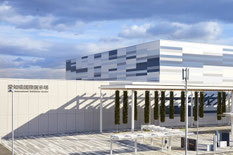
Venue: Aichi Sky Expo
Visitor eligibility: Trade only
2025 year
Visitors : 34,000
Exhibitors:620
| DAY |
2026 GREEN FACTORY Expo Nagoya |
| NOV. 24 |
Arrival at Centrair airport or Nagoya Station. Make your own way to the hotel |
|
NOV. 25 |
GREEN FACTORY Expo Nagoya |
|
NOV. 26 |
GREEN FACTORY Expo Nagoya |
|
NOV. 27 |
GREEN FACTORY Expo Nagoya |
| NOV. 28 |
Make your own way to the airport Have a nice flight ! |
The following service are also available upon request.
- International and Domestic Air Ticket Booking: Expert handling of flight reservations and ticket issuance to suit your schedule.
- Professional Interpreters: High-level interpretation services in English and other major languages to facilitate your business meetings and networking.
- Private Airport Transfers: Door-to-door transportation via private car, with the option of a Japanese-speaking assistant to accompany you for a smooth transition upon arrival.
- Curated Pre- & Post-Event Tours: Bespoke travel experiences to discover the cultural and natural beauty of Japan before or after the exhibition.
- Bespoke Logistics Support: From restaurant reservations to special equipment transport—whatever your specific requirements may be, we are here to assist.
Venue and Suggested Hotel


What You Can Gain from the Expo
Direct access to cutting-edge decarbonization and green manufacturing technologies, including Factory Energy Management Systems (FEMS) and renewable energy integration.
Actionable solutions for resource recycling and waste reduction to meet strict ESG corporate standards.
Real-world case studies of factory carbon neutrality tailored specifically to Chubu’s industrial hub.
Live demonstrations of high-efficiency equipment, such as energy-saving air conditioning and heat recovery systems.
Valuable networking opportunities with top-tier green consultants and sustainable technology suppliers from around the globe.
5 Must-Visit Industries
Automotive & Auto Components: Located in the heart of Japan's automotive region, manufacturers face intense pressure to eliminate carbon emissions throughout the supply chain (Scope 3) to remain globally competitive.
Industrial Machinery & Equipment: These producers must integrate energy-saving designs and eco-friendly features into their products to satisfy the green purchasing requirements of their B2B clients.
Electronic Devices & Semiconductors: Precision manufacturing requires massive amounts of power for cleanrooms and continuous operations, making advanced FEMS and power-saving upgrades critical for cost control.
Chemicals & Materials: As highly energy-intensive operations, these plants need immediate access to innovative heat recovery technologies and alternative, low-carbon manufacturing processes.
Food & Beverage Processing: High thermal energy demands for sterilization and heavy refrigeration loads make this sector a prime candidate for switching to advanced heat pumps and sustainable water recycling systems.
5 Unexpected Industries That Should Consider Visiting
Logistics & Warehousing: While focused on transport, modern hubs operate massive distribution centers that can significantly lower overhead by adopting factory-grade LED overhauls, rooftop solar integration, and smart energy tracking.
Pharmaceuticals & Cosmetics: Strict regulatory compliance for environment control mirrors semiconductor cleanrooms; discovering the latest energy-efficient HVAC and pure water recycling systems directly protects their high-margin operations.
Data Center Operators: Data facilities consume immense amounts of electricity for cooling. The heavy-duty industrial cooling systems, liquid cooling solutions, and renewable energy strategies showcased for green factories translate perfectly to server farms.
Real Estate & Property Development: Developers creating next-generation industrial parks or smart cities can source scalable renewable energy grids and eco-friendly insulation materials directly from primary industrial suppliers.
Traditional Craft & Textiles: Smaller scale but highly energy-dependent (dyeing, baking, weaving), these businesses can utilize compact heat recovery tools and smaller-scale carbon tracking software to fulfill eco-conscious consumer demands and secure green subsidies.